
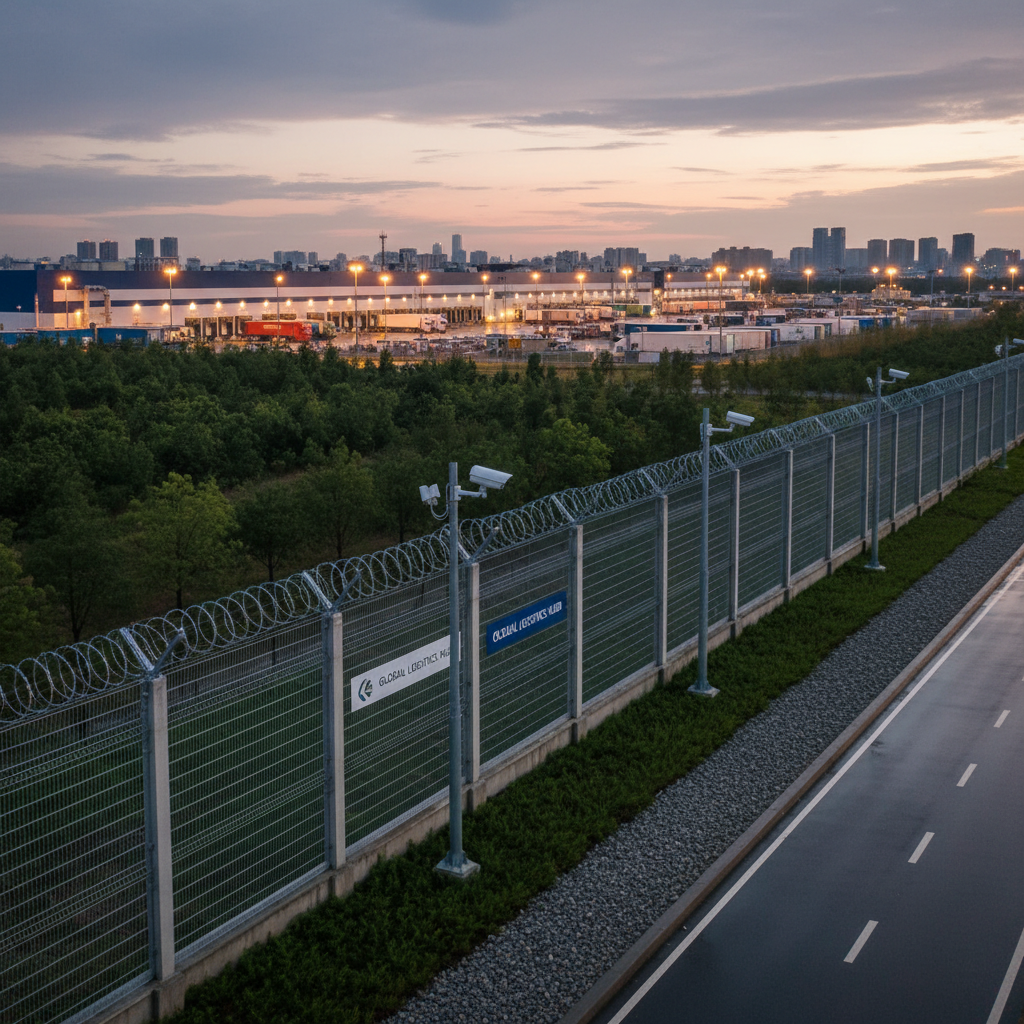
Mobile security patrols involve a uniformed security operative visiting your premises at scheduled or random intervals to check for security breaches, deter criminal activity, and provide documented evidence of site security.
What Do Mobile Patrols Involve?
A mobile patrol visit typically includes:
External perimeter check (all entry points, fencing, gates)
Internal check if keyholding is in place
CCTV check if accessible
Lighting check
Written report with GPS coordinates and timestamps
Patrols can be scheduled at fixed times or randomised to prevent predictable patterns that could be exploited by intruders.
When Are Mobile Patrols the Right Solution?
Mobile patrols are particularly effective for:
High-value premises: Retail, warehousing, and industrial sites with significant stock or equipment
Vacant properties: Regular patrols satisfy insurance inspection requirements
Construction sites: High-risk environments with valuable plant and materials
Multi-site portfolios: Cost-effective coverage across multiple locations
Mobile Patrols vs Static Guarding
Static guarding provides continuous on-site presence, which is the highest level of physical security. Mobile patrols provide periodic visits, which is more cost-effective but less comprehensive.
For most commercial premises, mobile patrols provide an excellent balance of deterrence, documentation, and cost. Static guarding is typically reserved for the highest-risk environments.
The Deterrence Effect
Research consistently shows that visible security presence significantly reduces the likelihood of criminal activity. A marked patrol vehicle visiting your premises regularly sends a clear signal to potential intruders that the site is actively monitored.
Combined with CCTV and alarm systems, mobile patrols form a highly effective layered security strategy.
Tags
Share this article